Everybody is talking about the healthcare reform in US these days. I just want to write my point of view on this. Here in US if you are rich or if you’re poor you will be fine in getting the access to the health care. Rich have great insurance and poor have Medicaid/Medicare program to pay for their health.
In Medicare, medical bills are paid from trust funds which those covered have paid into. Tax payers pay certain percentage of their income to fund the trust. It serves people over 65 primarily, whatever their income; and serves younger disabled people and dialysis patients. Patients pay part of costs through deductibles for hospital and other costs. Small monthly premiums are required for non-hospital coverage. Medicare is a federal program. It is basically the same everywhere in the United States and is run by the Centers for Medicare & Medicaid Services, an agency of the federal government.
Medicaid is the federal/state program where it gets the fund from federal state and local tax to serve the low income people of any age. This means the tax payers pay the health care of the poor and low income people who most of the time doesn’t pay taxes. If your income is not qualified to get the Medicaid, you have to get your insurance from the private insurance companies. These are several types of private insurance companies and most come is Blue Cross Blue Shield (BCBS).
If you’re rich you don’t have problem in getting the better private insurance plan. But if you are a middle class and your income is barely above the lower income group then you may not afford for any kind of insurance. Even if you can afford to get certain type of private insurance your pocket expense will be very high if you or family members get sick.
In US emergency care charges 3 or 4 times more than the regular clinic visit. For example if you don’t have the insurance and you take your child to a regular clinic for runny nose, the cost of seeing a physician will be around 60 dollars. But for the same condition if you go to ER it will cost you 250- 300 dollars.
I would like to categorize how different income level plays a role in the healthcare system in USA
Poor and lower income:
Insurance: Medicaid plan-Paid by the Tax payers
Emergency care: No need to pay. Fully covered by Medicaid plan
Tax: They don’t pay taxes even if it is they pay it should very small
Pocket expense for sickness: None
Medications: No need to pay – Medicaid pays
Surgery: No need to pay – Medicaid pays
Seeing a specialist: No need to pay – Medicaid pays
Contributing to their future insurance-after 65years (Medicare): None
Lower- middle class:
Insurance: Most of the time they cannot afford any kind of private insurance
Emergency care: Pays from pocket
Tax: Pays tax
Pocket expense for sickness: A lot
Medications: Pays from pocket
Surgery: Pays from pocket
Seeing a specialist: Pays from pocket
Paying insurance for others (Medicaid) by paying tax: Yes
Contributing to their future insurance-after 65years (Medicare): Yes
This group doesn’t have the insurance of their own but they have to pay the insurance for poor and lower income people via Medicaid. They also have to contribute to their own federally funded insurance program- Medicare for which they can be eligible only after 65years of age. These group most of the time suffer without any health care and they go bankrupt very often.
Mid middle class:
In Medicare, medical bills are paid from trust funds which those covered have paid into. Tax payers pay certain percentage of their income to fund the trust. It serves people over 65 primarily, whatever their income; and serves younger disabled people and dialysis patients. Patients pay part of costs through deductibles for hospital and other costs. Small monthly premiums are required for non-hospital coverage. Medicare is a federal program. It is basically the same everywhere in the United States and is run by the Centers for Medicare & Medicaid Services, an agency of the federal government.
Medicaid is the federal/state program where it gets the fund from federal state and local tax to serve the low income people of any age. This means the tax payers pay the health care of the poor and low income people who most of the time doesn’t pay taxes. If your income is not qualified to get the Medicaid, you have to get your insurance from the private insurance companies. These are several types of private insurance companies and most come is Blue Cross Blue Shield (BCBS).
If you’re rich you don’t have problem in getting the better private insurance plan. But if you are a middle class and your income is barely above the lower income group then you may not afford for any kind of insurance. Even if you can afford to get certain type of private insurance your pocket expense will be very high if you or family members get sick.
In US emergency care charges 3 or 4 times more than the regular clinic visit. For example if you don’t have the insurance and you take your child to a regular clinic for runny nose, the cost of seeing a physician will be around 60 dollars. But for the same condition if you go to ER it will cost you 250- 300 dollars.
I would like to categorize how different income level plays a role in the healthcare system in USA
Poor and lower income:
Insurance: Medicaid plan-Paid by the Tax payers
Emergency care: No need to pay. Fully covered by Medicaid plan
Tax: They don’t pay taxes even if it is they pay it should very small
Pocket expense for sickness: None
Medications: No need to pay – Medicaid pays
Surgery: No need to pay – Medicaid pays
Seeing a specialist: No need to pay – Medicaid pays
Contributing to their future insurance-after 65years (Medicare): None
Lower- middle class:
Insurance: Most of the time they cannot afford any kind of private insurance
Emergency care: Pays from pocket
Tax: Pays tax
Pocket expense for sickness: A lot
Medications: Pays from pocket
Surgery: Pays from pocket
Seeing a specialist: Pays from pocket
Paying insurance for others (Medicaid) by paying tax: Yes
Contributing to their future insurance-after 65years (Medicare): Yes
This group doesn’t have the insurance of their own but they have to pay the insurance for poor and lower income people via Medicaid. They also have to contribute to their own federally funded insurance program- Medicare for which they can be eligible only after 65years of age. These group most of the time suffer without any health care and they go bankrupt very often.
Mid middle class:
Insurance: Some kind of private insurance with high co pay
Emergency care: Depends on how much insurance covers. Most of the time
they pay significant amount from their pocket.
Tax: Pays tax
Pocket expense for sickness: Depends on how much insurance covers. Most of
the time they pay significant amount from their pocket
Medications: Depends on how much insurance covers. Most of the time they
pay significant amount from their pocket
Surgery: Depends on how much insurance covers. Most of the time they pay
significant amount from their pocket
Seeing a specialist Depends on how much insurance covers. Most of the time
they pay significant amount from their pocket
Paying insurance for others (Medicaid) by paying tax: Yes
Contributing to their future insurance-after 65years (Medicare): Yes.
Even though this group has some kind of insurance they still pay a lot for their health care cost and even some of the goes bankrupt in this group because of their healthcare cost.
Upper Middle Class:
Insurance: Good Insurance-Private
Emergency care: Pay less from the pocket depends on the insurance
Tax: Pays tax
Pocket expense for sickness: Fair
Medications: Covered mostly by insurance. Pays a little from pocket
Surgery: Covered mostly by insurance. Pays a little from pocket
Seeing a specialist: Covered mostly by insurance. Pays a little from pocket
Paying insurance for others (Medicaid) by paying tax : Yes
Contributing to their future insurance-after 65years (Medicare):Yes
Upper Class:
Insurance: Very Good Insurance-Private
Emergency care: Pay less from the pocket depends on the insurance
Tax: Pays tax
Pocket expense for sickness: Almost none
Medications: Covered by insurance. Pays a very little from pocket
Surgery: Covered by insurance. Pays very little from pocket
Seeing a specialist: Covered by insurance. Pays very little from pocket
Paying insurance for others (Medicaid) by paying tax : Yes
Contributing to their future insurance-after 65years (Medicare):Yes
Emergency care: Depends on how much insurance covers. Most of the time
they pay significant amount from their pocket.
Tax: Pays tax
Pocket expense for sickness: Depends on how much insurance covers. Most of
the time they pay significant amount from their pocket
Medications: Depends on how much insurance covers. Most of the time they
pay significant amount from their pocket
Surgery: Depends on how much insurance covers. Most of the time they pay
significant amount from their pocket
Seeing a specialist Depends on how much insurance covers. Most of the time
they pay significant amount from their pocket
Paying insurance for others (Medicaid) by paying tax: Yes
Contributing to their future insurance-after 65years (Medicare): Yes.
Even though this group has some kind of insurance they still pay a lot for their health care cost and even some of the goes bankrupt in this group because of their healthcare cost.
Upper Middle Class:
Insurance: Good Insurance-Private
Emergency care: Pay less from the pocket depends on the insurance
Tax: Pays tax
Pocket expense for sickness: Fair
Medications: Covered mostly by insurance. Pays a little from pocket
Surgery: Covered mostly by insurance. Pays a little from pocket
Seeing a specialist: Covered mostly by insurance. Pays a little from pocket
Paying insurance for others (Medicaid) by paying tax : Yes
Contributing to their future insurance-after 65years (Medicare):Yes
Upper Class:
Insurance: Very Good Insurance-Private
Emergency care: Pay less from the pocket depends on the insurance
Tax: Pays tax
Pocket expense for sickness: Almost none
Medications: Covered by insurance. Pays a very little from pocket
Surgery: Covered by insurance. Pays very little from pocket
Seeing a specialist: Covered by insurance. Pays very little from pocket
Paying insurance for others (Medicaid) by paying tax : Yes
Contributing to their future insurance-after 65years (Medicare):Yes
Note: There is no clear income definition for middle and upper class in US
How we got into it ?
To qualify for Medicaid your gross income should be less than 13,000 dollars/year i.e. you should be below 133% of poverty level. For better private insurance you need a gross income of $70000-90000 dollars/year. Average American gross income is 50,000 dollars per year- as of 2007 income data. These means most of the American don’t have good insurance. Lot of them doesn’t have insurance at all but still they have to pay for the poor and low income people. To me this is unfair. You pay for others but you don’t have one for yourself. It is like you have to put your money in a pot to keep it full all the time but it has been constantly drained and enjoyed by people who don’t contribute to that. You may go bankrupt because of your healthcare cost but you have to still take care of others healthcare who don’t even pay a single penny to it.
Why healthcare cost so much?
In this country most of the time physicians are not free to think and do what is right for the patient. This is because people sue the physician for everything. Physicians are constantly under the watch by the lawyers for the malpractice. Since there is always a fear of malpractice sue among the physicians, they ordered bunch of lab test to avoid any malpractice sue even if it is not needed. Doctors charge more because insurance pay them back less than what they asked for. Moreover they also have to pay for their malpractice insurance. They have to bill all these expenses on the patient .In addition to that, drug companies don’t want to let their drugs go generic or reduce the price of their branded drugs All these expenses fall on the patient’s pocket and ultimately to the society
What do we do about it?
There are no real solutions to these issues. This is what I think we can do to make the healthcare system better. There should be a federally/state/locally funded universal health care available for every American irrespective of their income. Option of choosing a private insurance instead of universal health care should be offered to every American. But everybody has to contribute whether they want to participate in the universal healthcare system or not. This way tax payer gets their benefit of paying the tax by getting healthcare for themselves instead just paying for others. That funded program should act like Medicare to all age group.
How we got into it ?
To qualify for Medicaid your gross income should be less than 13,000 dollars/year i.e. you should be below 133% of poverty level. For better private insurance you need a gross income of
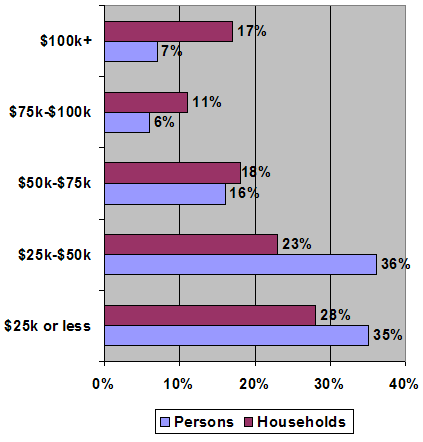 $70000-90000 dollars/year. Average American gross income is 50,000 dollars per year- as of 2007 income data. These means most of the American don’t have good insurance. Lot of them doesn’t have insurance at all but still they have to pay for the poor and low income people. To me this is unfair. You pay for others but you don’t have one for yourself. It is like you have to put your money in a pot to keep it full all the time but it has been constantly drained and enjoyed by people who don’t contribute to that. You may go bankrupt because of your healthcare cost but you have to still take care of others healthcare who don’t even pay a single penny to it.
Why healthcare cost so much?
In this country most of the time physicians are not free to think and do what is right for the patient. This is because people sue the physician for everything. Physicians are constantly under the watch by the lawyers for the malpractice. Since there is always a fear of malpractice sue among the physicians, they ordered bunch of lab test to avoid any malpractice sue even if it is not needed. Doctors charge more because insurance pay them back less than what they asked for. Moreover they also have to pay for their malpractice insurance. They have to bill all these expenses on the patient .In addition to that, drug companies don’t want to let their drugs go generic or reduce the price of their branded drugs All these expenses fall on the patient’s pocket and ultimately to the society
What do we do about it?
There are no real solutions to these issues. This is what I think we can do to make the healthcare system better. There should be a federally/state/locally funded universal health care available for every American irrespective of their income. Option of choosing a private insurance instead of universal health care should be offered to every American. But everybody has to contribute whether they want to participate in the universal healthcare system or not. This way tax payer gets their benefit of paying the tax by getting healthcare for themselves instead just paying for others. That funded program should act like Medicare to all age group.
Currently everybody has to contribute to Medicare which pays the health care to seniors 65years or older irrespective of their past and present income. In current Medicare you can supplement your coverage by buying more private insurance. Same kind of principle should apply to the all the age group under the universal healthcare. This way people have the option of choosing either the universal health care system as their sole insurance or supplementing their universal health care system with other private insurance.
Universal health care means is healthcare for everybody but also giving the choice supplementing it with other insurance. It should not be literally free otherwise people started abusing it. Every body should be charged some kind of co-pay to the clinic visit, ER visit and prescription based on the income status. Even for lower income have to pay some co-pay. For ER visit co-pay should be higher than the regular clinic visit this way we can avoid flooding the ER for just simple health condition which would have been treated next day in the outpatient clinic. If you charge even 10 dollars as a co pay for ER visit to the lower income you will dramatically reduce the healthcare cost burden.
Malpractice lawsuit should be regulated. Malpractice amount cap should be imposed. To avoid lab errors and doing unnecessary labs, universal electronic health record system should be implemented. Universal electronic health record makes the any doctor anywhere in US to access the patient’s record. This will reduce repetitive test and labs on a patient.
Doctors doing unnecessary lab test should reimbursed less on their payments and good doctors should be rewarded with better reimbursement. Universal healthcare should pay only set number sick visits to the clinic and ER. Extra visits and other privileges can be supplement by buying additional private insurance. More emphasis should be placed on yearly screening.

 Lots of people have been killed in Sri Lanka in the name of peace war. Sri Lankan army is celebrating the victory today. A body was found in the previously LTTE controlled part. Sri Lankan army is speculating it may be prabhkaran's body. Report says 300 LTTE members committed suicide when the Sri Lankan army surrounded them yesterday.